
Preventing Phone and Text Scams
A Mesa County digital protection guide
Scammers frequently target older adults using fear, fake authority, and emotional pressure to steal life savings. Anyone can fall for a scam. You can protect yourself and your family by learning how to spot warning signs, setting up simple defenses, and taking quick action if a crime happens.
Warning signs of an imposter scam
Scammers rely on specific strategies to manipulate victims.
| Scam tactic | What the scammer does |
|---|---|
| Untraceable payment | Insists on gift cards, cryptocurrency, wire transfers, or cash couriers. |
| Extreme urgency | Threatens immediate arrest, legal action, severe fines, or property loss. |
| Enforced secrecy | Demands you stay on the line and forbids talking to family or bank tellers. |
| Sensitive requests | Asks for passwords, bank details, or Social Security numbers by phone or text. |
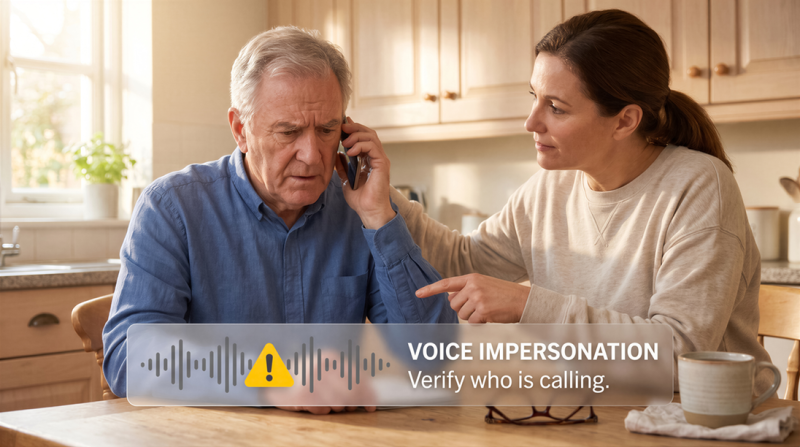
High-risk scam examples targeting older adults
The Situation
An older resident in Mesa County is using their computer when a loud alert sound plays and a pop-up window freezes the screen. The message claims the computer has a dangerous virus, that financial data is at risk.
It gives a phone number for "Microsoft Support".
The Scammer (pretending to be Tech Support) says:
"Hello, this is Cyber Security Support. We detected a major virus on your computer that is currently stealing your bank details. To stop the breach and fix your system, you must give me remote access to your screen right now."
(After the victim grants remote access, the scammer displays fake system logs to cause panic).
"Look at these red system warnings—hackers are actively transferring your savings out of your bank. To safeguard your funds, you must temporarily transfer your balance to a secure government protection locker. Drive to your bank, withdraw $8,000 in cash, and purchase gift cards and read the card numbers to them or deposit it into a cryptocurrency kiosk. Do not disconnect this call, and do not explain this to the bank tellers, because teller systems may be compromised."
Or
The Scammer wants you to pay them for the “help” they just offered. They want you to purchase gift cards and call them back with the numbers.
The Situation
An older resident receives a late-night phone call from an unknown number. When they answer, a voice that sounds identical to their grandchild speaks, sobbing and hysterical. A second person takes the phone, claiming to be an attorney or police officer.
What the Scammer says:
Scammer (pretending to be the grandchild):
"Grandma/Grandpa, please help me! I made a terrible mistake... I was in a car accident and got arrested. I'm in jail right now and I'm so scared. Please don't tell mom and dad!"
Scammer (pretending to be the court officer):
"This is Public Defender Miller. Your grandchild is currently held at the county detention center. The judge set bail at $4,000, but processing requires immediate payment to secure a release tonight. Go to the nearest store immediately and buy eight $500 Target or Apple gift cards. Stay on the line while you drive. Read the numbers on the back to me so we can clear the arrest warrant. Do not discuss this with store employees—it is a private legal matter."
Helpful prevention tips
| Safety measure | Action to take |
|---|---|
| Family safe word | Select a secret word or phrase with your family. If someone calls claiming a relative is in trouble, ask for the safe word. If they cannot provide it, hang up immediately. |
| Hang up and verify | If you receive an alarming call or pop-up, end the interaction immediately. Call your relative, bank, or utility company directly using a separate, official phone number. |
| Lock down social media | Set account privacy settings to private to prevent strangers from harvesting audio clips or personal details. Ask a trusted person for help if needed. |
| Talk with loved ones | Treat scam defense as a shared effort. Establish a family rule to check in with a trusted person before completing large or sudden financial transactions. |
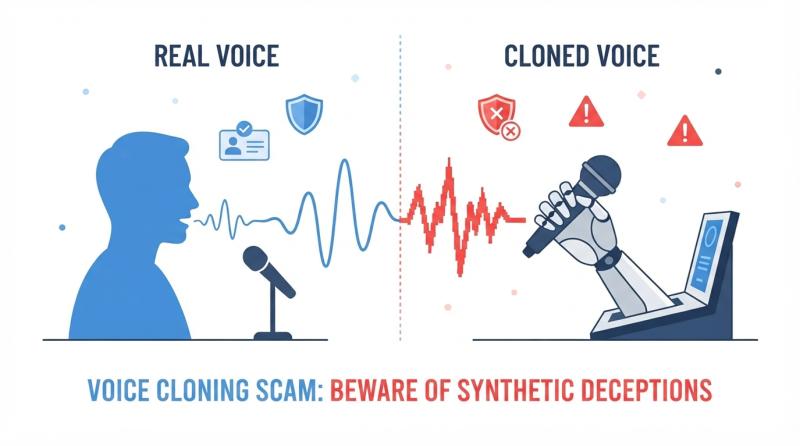
What to do if you've been scammed
Take these immediate steps if you shared information, access, or money.
| Situation | Action to take |
|---|---|
| Financial compromise | Contact your bank, credit card company, or gift card issuer right away using the phone number on the back of your card or statement. Request an immediate account freeze and stop pending transactions. |
| Technology compromise | If someone gained remote access to your computer, unplug your Wi-Fi router or power off the machine immediately. Update passwords using a separate, secure device. |
| Official report | File a formal police report with local law enforcement to create an official record of the incident. |
Are you a victim of a fraud or a scam?
If you are a Mesa County citizen, file a report with the Mesa County Sheriff's Office Citizen Online Reporting System (CopLogic) first.
Key contacts and reporting directory
To report an issue or crime
| Agency or resource | Action or service provided |
|---|---|
| Mesa County Sheriff's Office |
Call non-emergency dispatch at 970-242-6707 to receive additional assistance. |
| Mesa County District Attorney's Office |
Visit their Investigations webpage for additional guidance on fraud and identity theft. |
| Identity theft recovery | File an official report and create a step-by-step recovery plan at the FTC identitytheft.gov website. |
| Federal Trade Commission |
Call 1-877-382-4357 or submit a report online at the FTC Report Fraud website. |
| FBI Internet Crime Complaint Center |
Submit online cybercrime complaints at FBI IC3 website. |

Additional support and resources
| Agency or resource | Action or service provided |
|---|---|
| National Elder Fraud Hotline |
Call 1-833-372-8311 for dedicated assistance and reporting support. |
| Eldercare Locator | Call 1-800-677-1116 or visit the Eldercare Locator website for senior support services. |
| Stop Fraud Colorado | Visit the state website for scam prevention tools, information, and a monthly newsletter with fraud tips. |
About our information and additional resources
The educational information provided on these pages is adapted from official consumer protection and cybersecurity guidance published by federal and national organizations. For more in-depth information, detailed guides, or to file a consumer complaint directly with state and federal agencies, please visit these official partner websites.